· Shah Zangeneh · Life · 5 min read
Kombucha — Starting From a Bottle
Two weeks in: no SCOBY, no equipment, just a bottle of store-bought kombucha and a lot of questions. Here is how the first batch actually went.
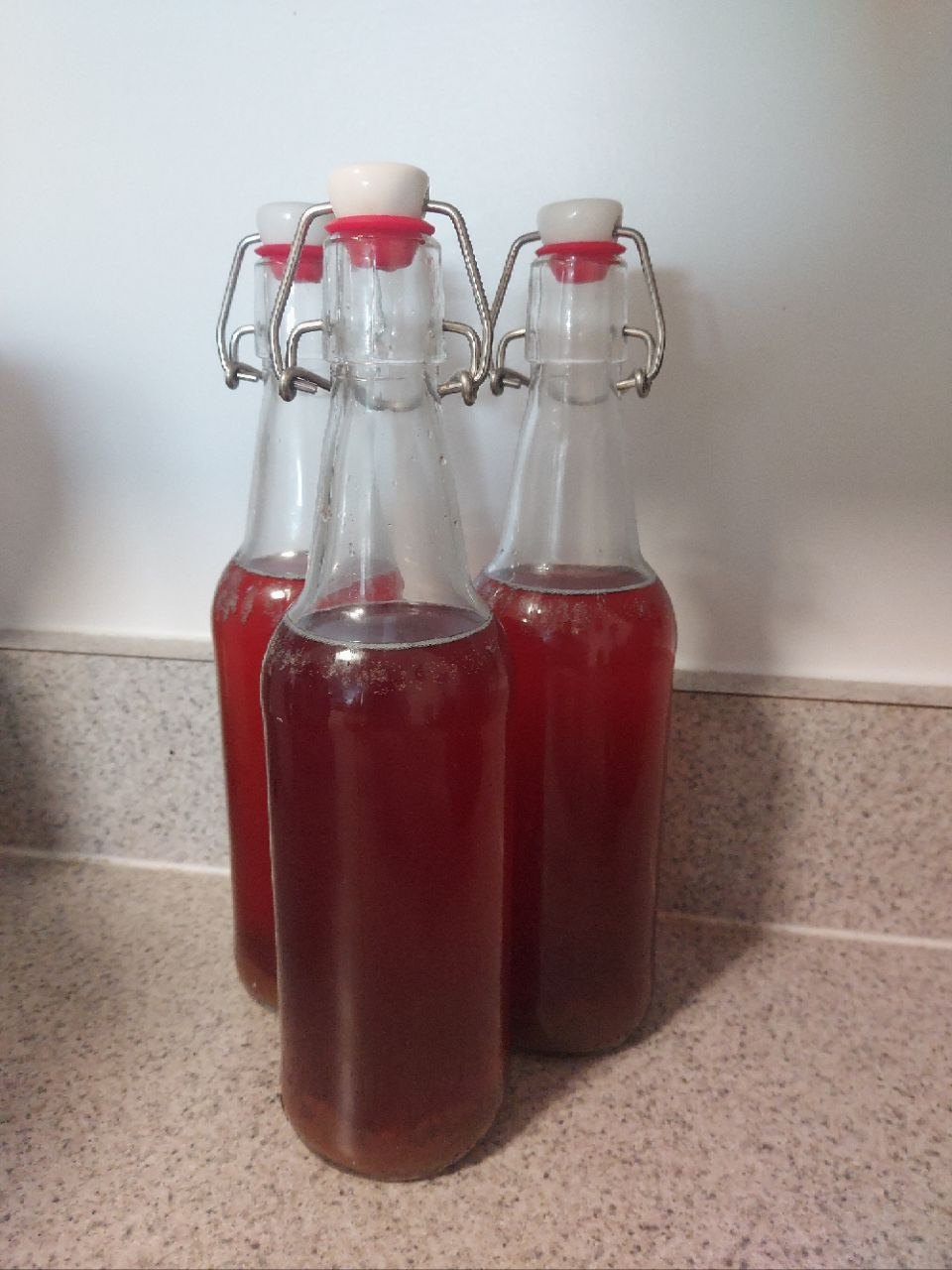
I mentioned kombucha briefly in the intro post — something about inconsistent carbonation and blaming temperature. That was accurate at the time. This is the longer version.
About four weeks ago I decided to actually start brewing instead of just buying it. The usual barrier to entry is that you need a SCOBY — the rubbery disc of bacteria and yeast that drives the fermentation. You typically get one from someone who already brews, which means knowing someone who already brews. I didn’t.
It turns out you don’t need one.
The starter
If you buy raw, unpasteurized kombucha from a store and look at the bottom of the bottle, there’s sediment. That sediment is live culture — yeast strands, bacteria, the beginning of a SCOBY. Pour it into sweetened tea, leave it alone for ten days, and it builds itself.
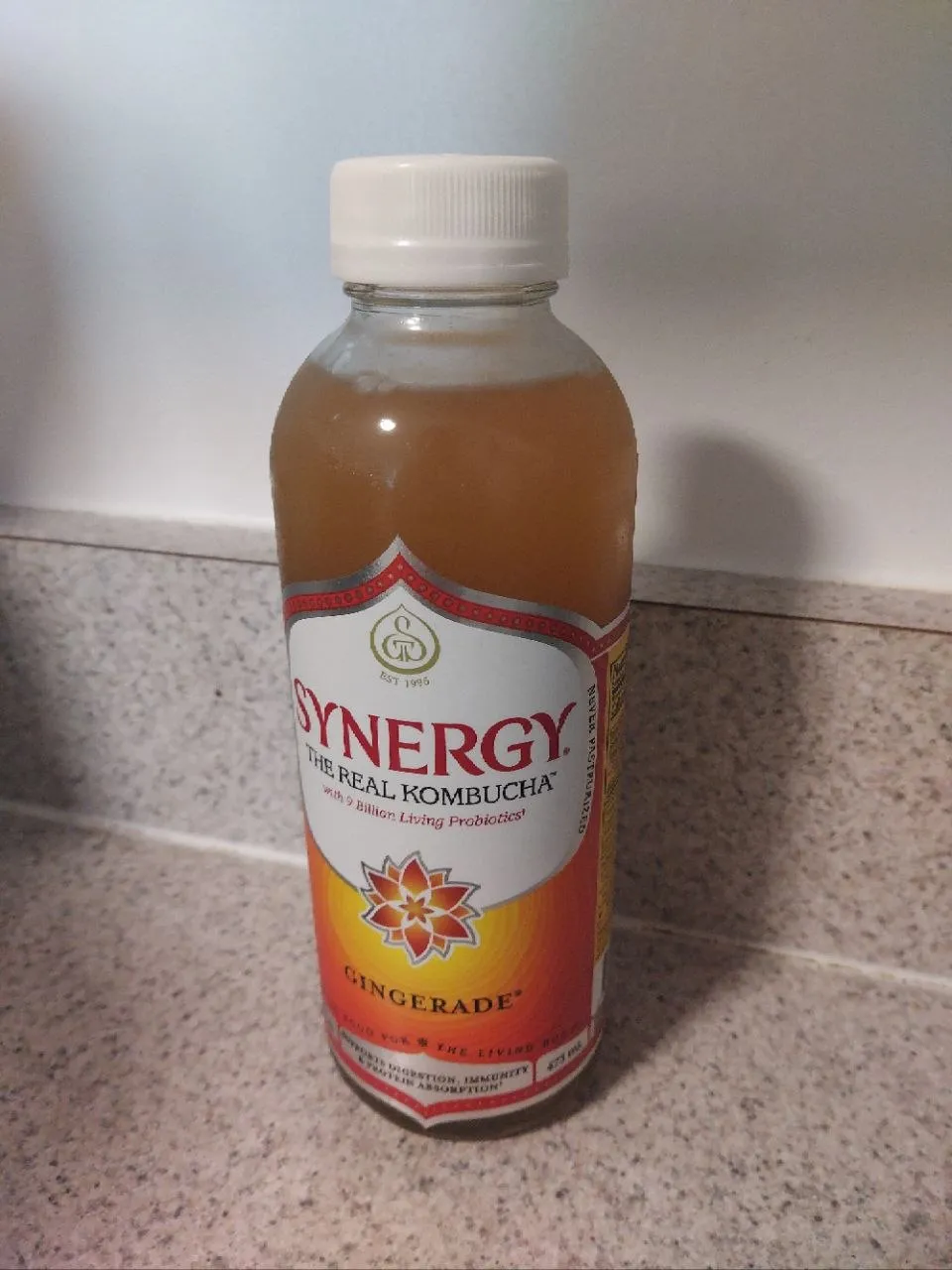
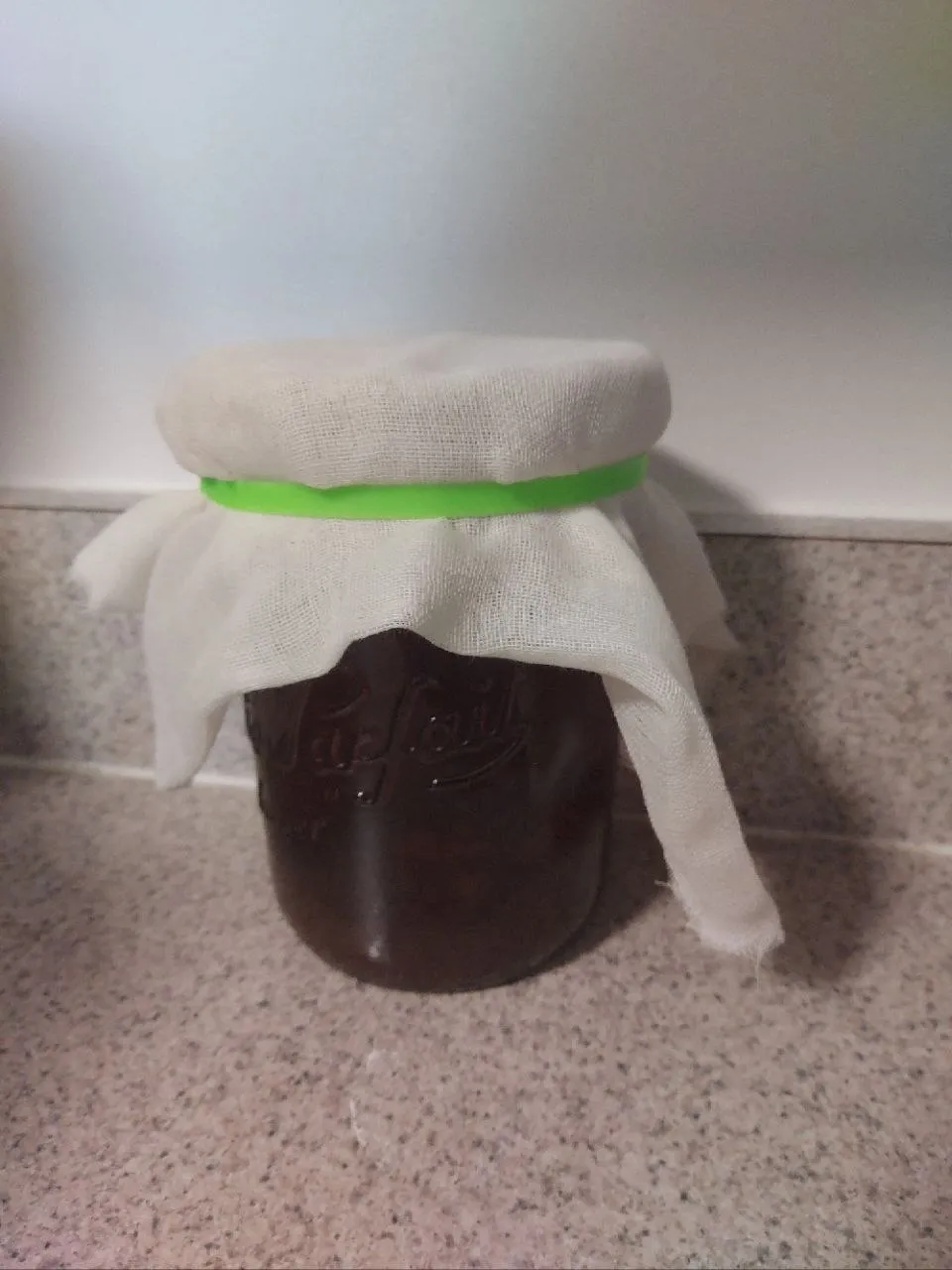
I used GT’s Synergy Gingerade. About ten fluid ounces into a one-liter mason jar with two Lipton black tea bags, three tablespoons of raw honey, and 2¾ cups of filtered water. Covered the top with cheesecloth and a rubber band. Put it in my server closet (slightly warmer than the rest of the apartment).
The honey is worth noting. Most recipes call for white sugar, but i have a lot of raw honey left over from other cooking projects, so i decided to use that instead. Honey is slower — the cultures take longer to break it down — so the first ferment ran closer to twelve days than the usual seven to ten. It also has to go in after the tea cools, otherwise you cook off everything that makes raw honey interesting. I learned this the obvious way by almost doing it wrong.
What I got wrong
A few things, in rough order of how much they mattered.
I overfilled the jar and had to remove a cup of liquid to create headspace. That cup was starter liquid I didn’t need to lose. The right move is to stop pouring before the jar is full, not pour it full and then take some back out. Obvious in retrospect.
I also started trying to work out volumes for the second ferment before I had a clear picture of how much I was actually working with. The math kept not adding up until I traced back every cup I’d removed and found where the discrepancy was. A one-liter jar does not produce a liter of drinkable kombucha — by the time you account for the SCOBY, the reserved starter for the next batch, and any liquid you spilled on yourself like an amateur, you’re looking at considerably less.
The taste test
Around day nine it tasted like apple cider. Not aggressively sour, not sweet, somewhere in between — tart enough to be interesting, drinkable enough that I finished the glass I poured for testing. I gave it two more days and bottled it.
The target flavour is harder to describe in advance than it sounds. The simplest version: if it makes you want another sip, it’s ready. If it just tastes like sweet tea, it needs more time. If it tastes like straight vinegar, you waited too long — but even then, it’s not wasted, it makes excellent starter liquid for the next batch.
Second ferment
The second ferment is where you add flavour and carbonation. You bottle the finished kombucha with fruit tea and honey, seal it, leave it at room temperature for a couple of days, and the residual yeast produces CO2 inside the bottle.
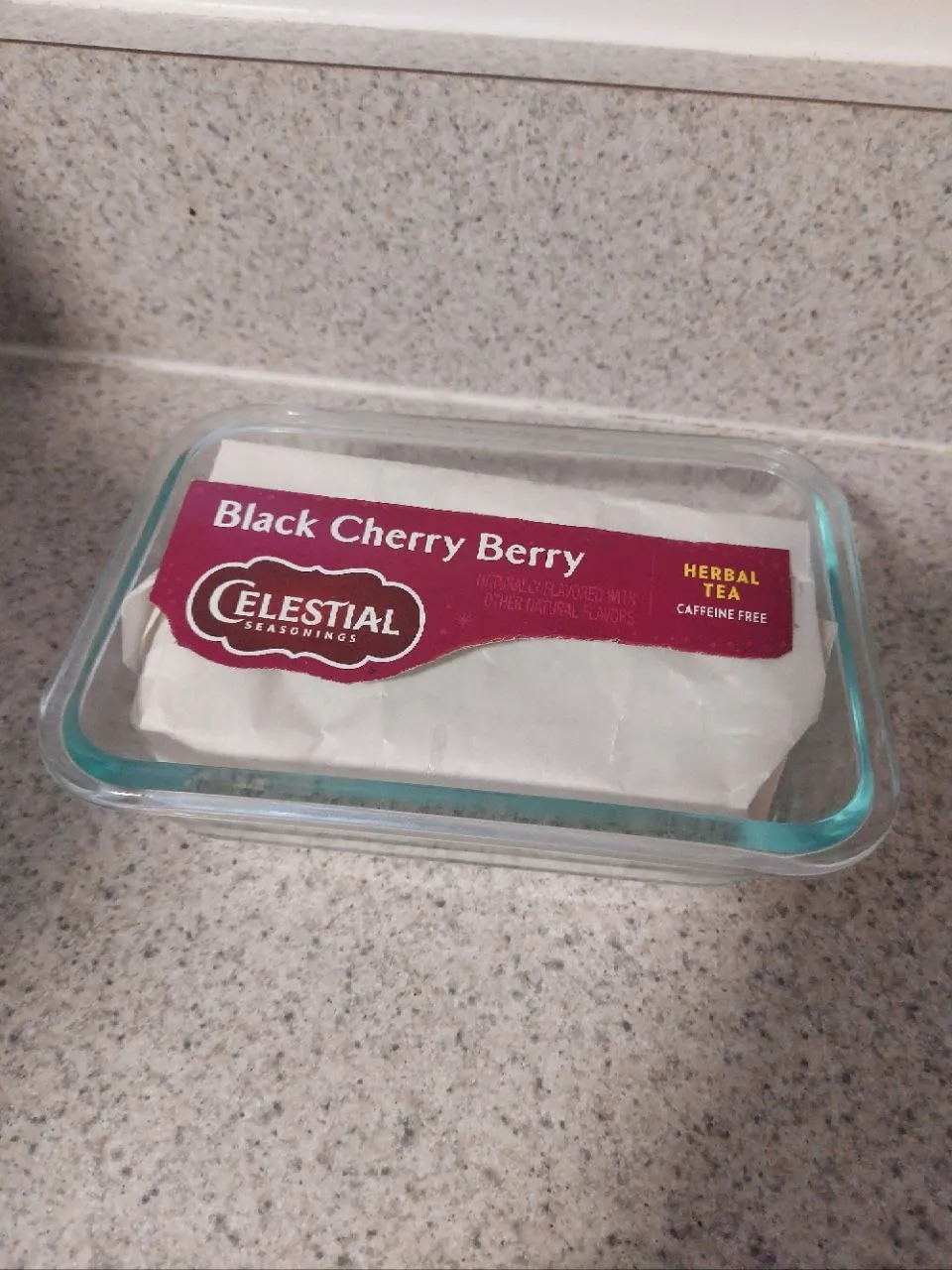
I used Celestial Seasonings Black Cherry Berry steeped strong — one bag in eight ounces of water, covered, for about fifteen minutes. The ratio I ended up with was roughly fifty-fifty kombucha to fruit tea. The result was noticeably fruity without losing the kombucha character underneath. Deep red, like a tart cherry juice with some funk to it.
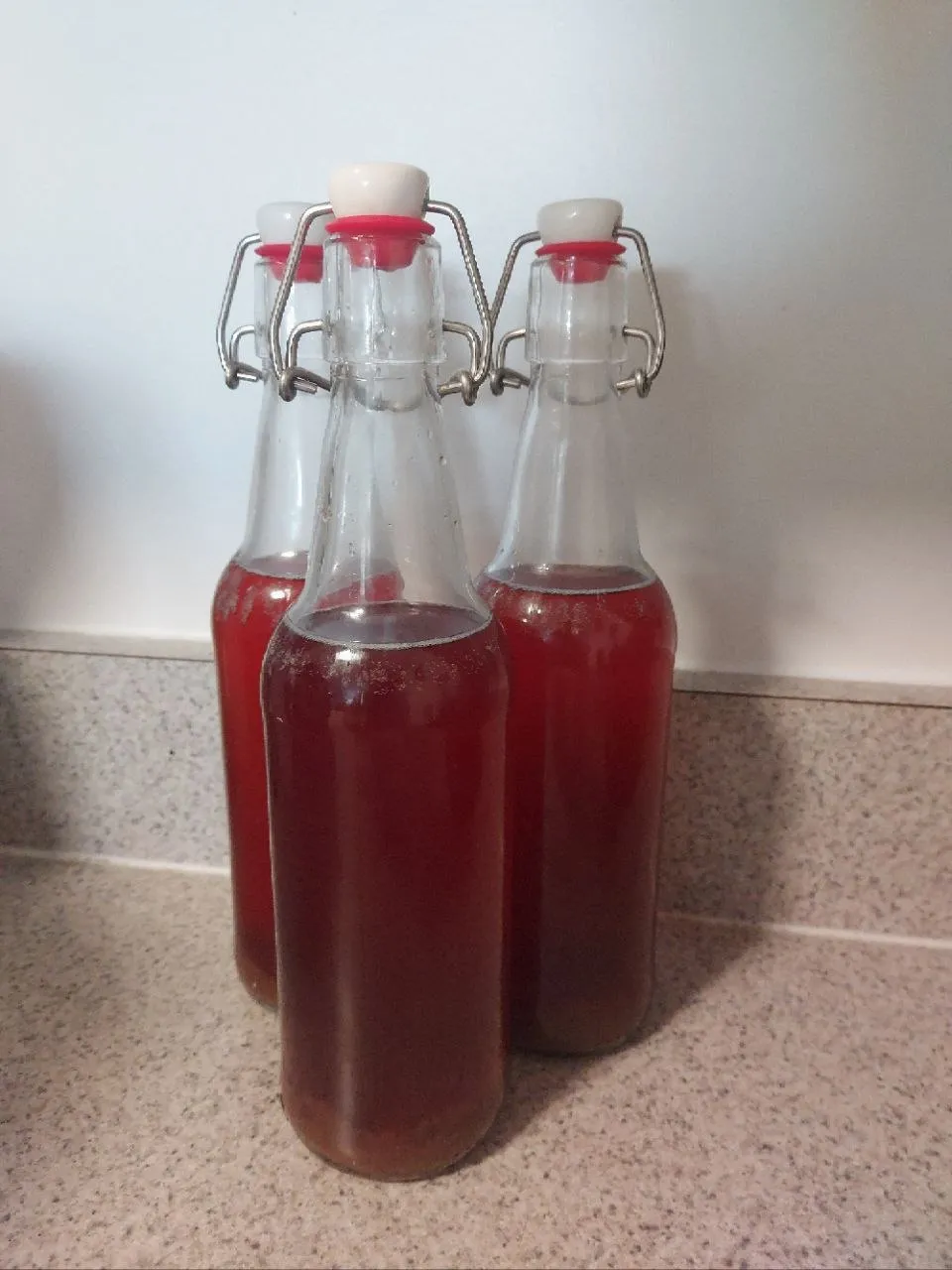
Carbonation was modest. Not flat, but not particularly aggressive either. This is the thing I said I hadn’t figured out in the intro post, and I still haven’t fully figured it out — I suspect my kitchen is running slightly cool and the second ferment needs a warmer spot. I’ll test that next round.
Where it’s going
The first batch produced enough to fill three sixteen-ounce swing-top bottles after reserving starter for the next round. I now have three jars running simultaneously, which should fill all six bottles next cycle with some left over to drink straight during bottling.
The SCOBY is thin — expected for a first batch grown from scratch — but it formed cleanly across the surface of the jar with no mold, which is the main thing. It thickens with each batch.
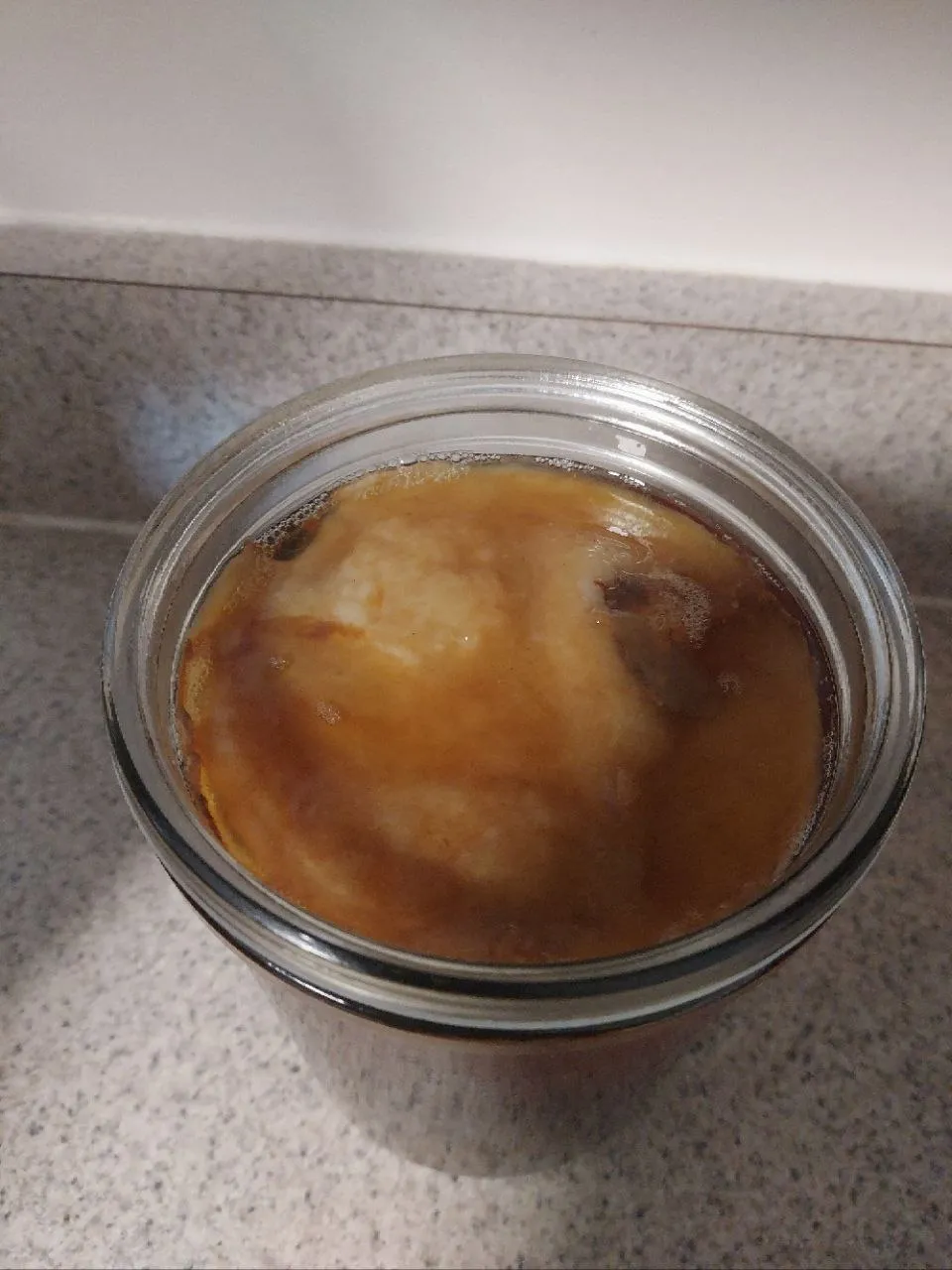
I’ll write a follow-up when the three-jar batch is done. By then I should have a better answer on the carbonation question.
The full recipe and measurements I’m using are available here if you want to try this yourself.